Dance Physical Therapy Continuing Education Online
MODULE III: Lumbopelvic Girdle & Hip
Hybrid Online/In-person
Next dates offered:March 25th-26th, 2023
Location: Westside Dance Physical Therapy New York, NY
Registration will open on January 2nd, 2023.
Module III - Lumbopelvic Girdle & Hip
Module III is focused on the evaluation and treatment of the Lumbar Spine, Sacrum, Pelvis & Hip. Building upon the evaluation framework established in Module I as well as clinical considerations introduced in Module II, course participants can expect to attend a class focused on common clinical scenarios of this region that will further develop the clinical framework for assessment and treatment of dance related injuries involving the lower quadrant of the body. This course is primarily focused on practical hands-on instruction and practice and will include the opportunity to work with a dancer volunteer pending Covid-19 restrictions.
IN-PERSON COURSE
Course Objectives:
Upon completion of Module III, the participant will be able to:
-
Describe the anatomy, biomechanics and pathomechanics of common injuries in dancers involving the Lumbar Spine, Sacrum, Pelvis & Hip.
-
Identify typical presentations of commonly seen dance injuries/conditions including predisposing and precipitating factors, diagnostic presentation, typical interventions, and common preventative measures.
-
Improve assessment skills with a focus on the biomechanics of the Lumbopelvic Girdle and hip focusing on optimizing dance dance-specific movements.
-
Apply efficient decision-making processes in the clinical setting with an enhanced ability to manage unique presentations that are common to the dancer.
-
Apply effective intervention strategies to typical injuries/conditions involving this region including motor control retraining, technique re-education, soft tissue/joint techniques, neural mobilization, strength conditioning, taping and use of supports.

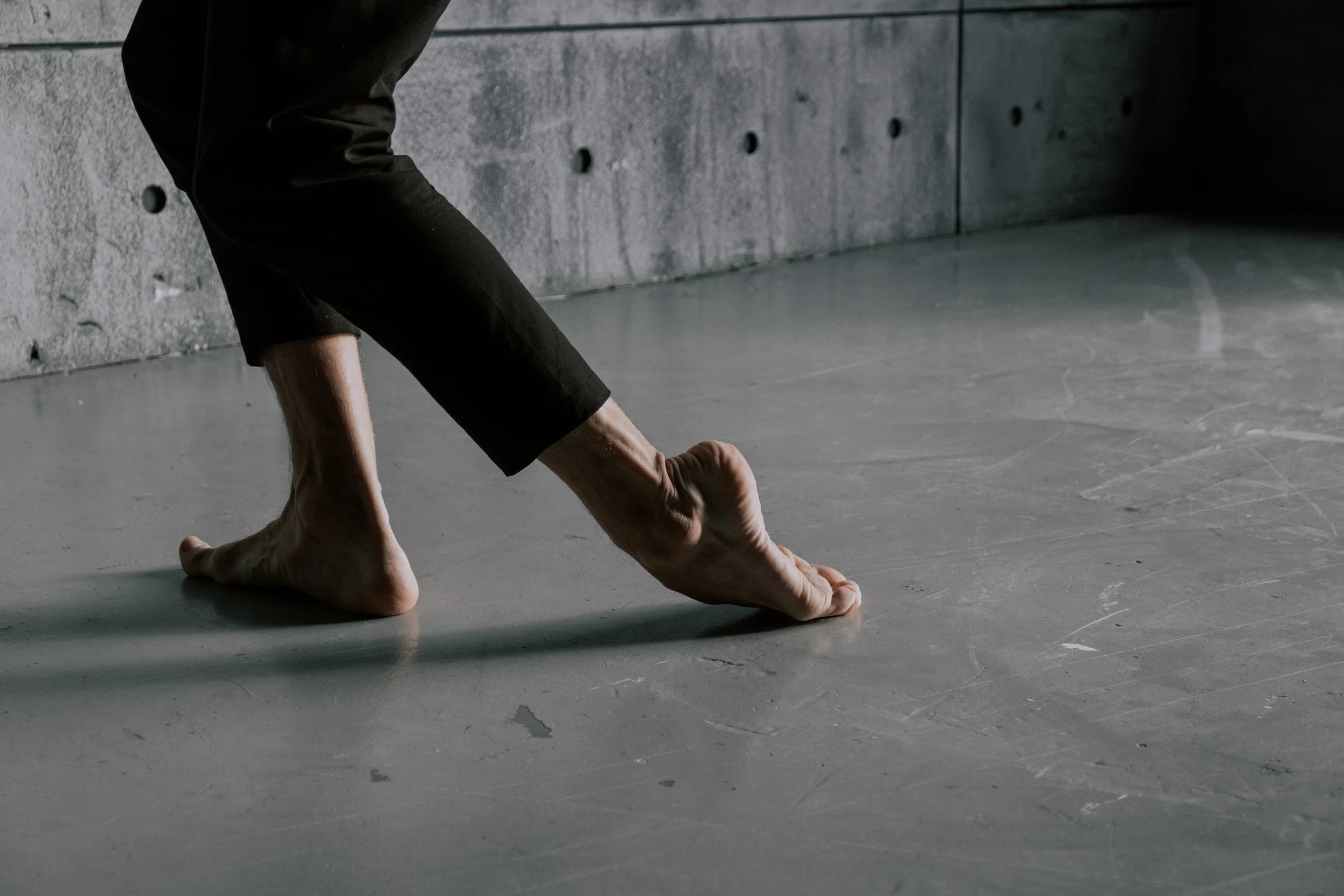
MODULE IV: Upper Quadrant: Thorax, Cervical Spine & Shoulder Girdle
In-person
Next dates offered: June 3rd-4th, 2023
Location: Johns Hopkins Hospital Baltimore, MD
Registration will open on January 2nd, 2023
Module IV - Upper Quadrant: Thorax, Cervical Spine & Shoulder Girdle
Module IV is the final module of the Dance Medicine Education Initiative Foundational Course and is focused on the evaluation and treatment of the Thorax, Cervical Spine and Shoulder Girdle. Building upon the prior three Modules, course participants will have the opportunity to attend a course that is focused both on issues of mobility, stability, and control of the Upper Quadrant and how movement and control is linked to the lower half of the body. An analysis of rib motion and breathing mechanics is also included with a unique opportunity to work with the Parasetter ™ a proprioceptive tool that can increase the dancer's awareness of breathing and movement strategies. This course is primarily focused on practical hands-on instruction and practice and will include the opportunity to work with a dancer volunteer pending Covid-19 restrictions.
IN-PERSON COURSE
Course Objectives:
Upon completion of Module IV, the participant will be able to:
-
Describe the anatomy, biomechanics and pathomechanics of common injuries in dancers involving the Thorax, Cervical Spine & Shoulder Girdle
-
Identify typical presentations of commonly seen injuries/conditions of the Upper Quadrant including predisposing and precipitating factors, diagnostic presentation, typical interventions, and common preventative measures.
-
Improve assessment skills with a focus on the biomechanics of the Thorax, Cervical Spine and Shoulder Girdle within the context of dance specific movement.
-
Apply efficient decision-making processes in the clinical setting with an enhanced ability to manage unique presentations that are common to the dancer.
-
Apply effective intervention strategies to typical injuries/conditions involving the Upper Quadrant in dancers including postural considerations, motor control retraining, technique re-education, soft tissue/joint techniques, neural mobilization, strength conditioning, taping and use of supports.
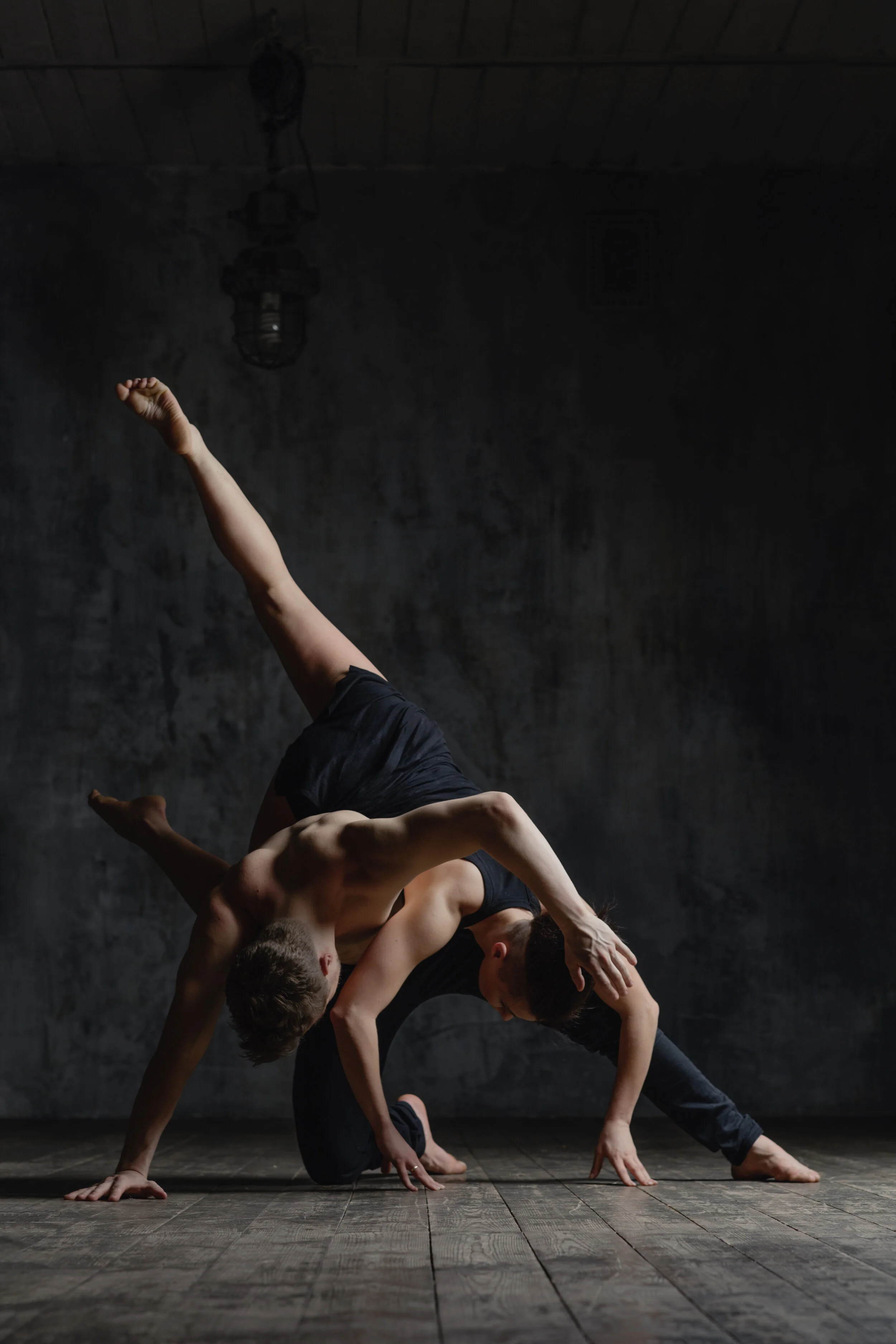
Module I: Introductory Concepts in Dance Medicine
Online/Interactive
Next dates offered:September 23rd-24th, 2023
Registration will open on January 2nd, 2023
Module I: Introductory Concepts in Dance Medicine
Module I sets the stage by introducing the DMEI framework for evaluating and treating dance injuries that the following more regionally focused Modules will build upon. Special considerations include managing injuries in various stages of the life span, the hypermobile dancer, nutritional issues and considerations, technique evaluation, pointe shoe evaluation, and pointe work retraining.
The information covered in this course is presented in a form that is immediately applicable in clinical practice and applies to all practitioners involved in the assessment and rehabilitation of dance injuries. This includes but may not be limited to physical therapists, physical therapy assistants, massage therapists, dance teachers, dance educators, Pilates instructors, Gyrotonic instructors, athletic trainers, and physicians.
Please note that Module I is strongly recommended as a place to start for practitioners who are not licensed medical professionals as well as those who are new to working with dancers.
This is an online, interactive course with Andrea Zujko (DMEI) and guest speakers.
Course Objectives:
All courses are designed to provide the participant with a thorough learning experience that will be immediately applicable to their practice through a combination of lecture review, demonstration of techniques, and ample lab time for participants to hone their skills. Class size is also limited to allow for more in-depth discussion and feedback.
Upon completion of Module I, participants will be able to:
-
Summarize the most clinically relevant findings of dancers that should be considered when evaluating, treating, and training dancers during select major stages of the human life cycle
-
Design and implement an onsite physical therapy program for recreational and pre-professional dancers at a dance studio, pre-professional dance academy, or university program.
-
Acquire the most recent updates to the management of injuries to the connective and neural tissues of the body and apply this information to the evaluation and treatment of the most common bony, muscular, capsular, ligament, and neural injuries seen in dancers
-
Define and describe the basic foundational movements of ballet technique including optimal alignment, muscular recruitment, and coordination
-
Analyze movement control of the dancer via the application of an evaluation framework that includes the basic foundational movements of ballet technique
-
Identify a dancer who needs nutritional support for eating disorders/disordered eating
-
Improve your management of the dancer with hypermobility via a review of the current diagnostic criteria of this connective tissue disorder and implications for treatment
-
Identify the specific components of a soft ballet shoe and pointe shoe and apply this information to an analysis of fit including recommendations for modifications
-
Improve your competency in how to best return a dancer to full pointe work via instruction in a progressive protocol that can be modified to a specific plan of care for a foot and ankle injury
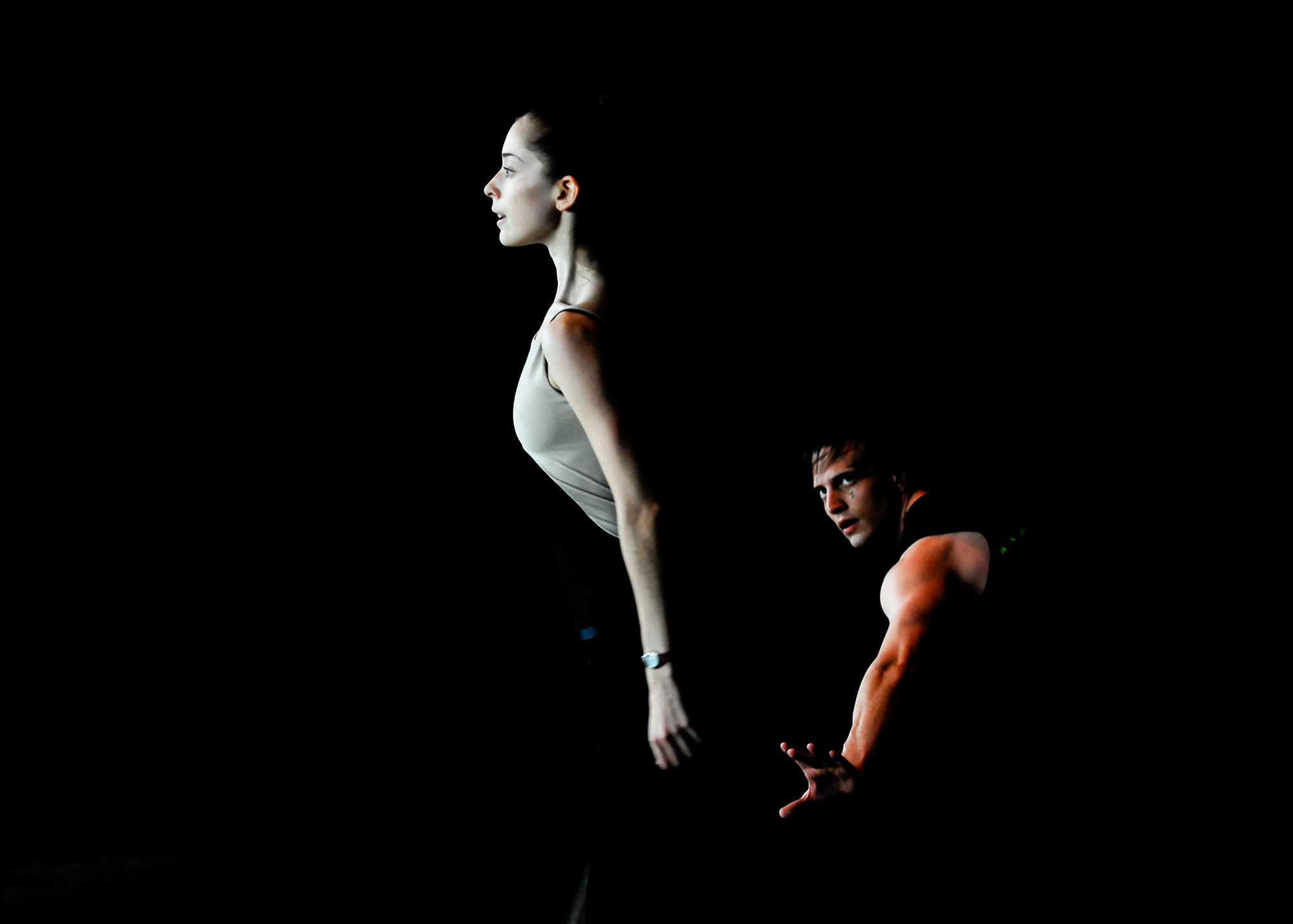
MODULE II: Lower Extremity: Foot, Ankle, & Knee
Hybrid Online/In-person
Next dates offered:November 4th-5th, 2023
Location: Johns Hopkins Hospital Baltimore, MD
Registration will open on January 2nd, 2023
Module II: Lower Extremity: Foot, Ankle, & Knee
Module II is the first body region specific focus of the Dance Medicine Education Initiative foundational course. This course builds upon the introductory information presented in Module I and applies it to an in-depth evaluation and treatment of foot, ankle, and knee injuries in dancers.
HYBRID ONLINE/IN-PERSON COURSE
Online Portion:
Each participant will receive 4 recordings to watch prior to meeting in person. These recordings will be available starting September 23rd, 2022 until the start of the course on October 8th, 2022. Each participant is welcome to watch the recordings at any time prior to the start of the course. Units will include:
-
Ligamentous Injury & Instability
-
Ankle Impingement
-
Osseous Stress Injury
-
Tendinopathy
Course Objectives:
Upon completion of Module II, the participant will be able to:
-
Discuss the normal and pathological function of the lower extremity including relevant anatomy, biomechanics and patho-mechanics
-
Identify typical presentations of commonly seen knee, foot & ankle injuries/conditions in dancers through differential diagnostic processes
-
Perform a systematic approach to evaluating lower extremity biomechanics that is dance-specific
-
Identify normal and abnormal accessory motion of the knee, tibio-fibular, ankle, rearfoot, and forefoot joints
-
Implement appropriate mobilization/manipulation techniques to enhance joint range of motion
-
Apply effective intervention strategies to typical injuries/conditions at the foot, ankle and knee in dancers including manual therapy, exercise, motor control retraining, technique correction, taping and use of supports
-
Formulate and implement a comprehensive foot and ankle therapeutic exercise program that may include a return to pointework protocol
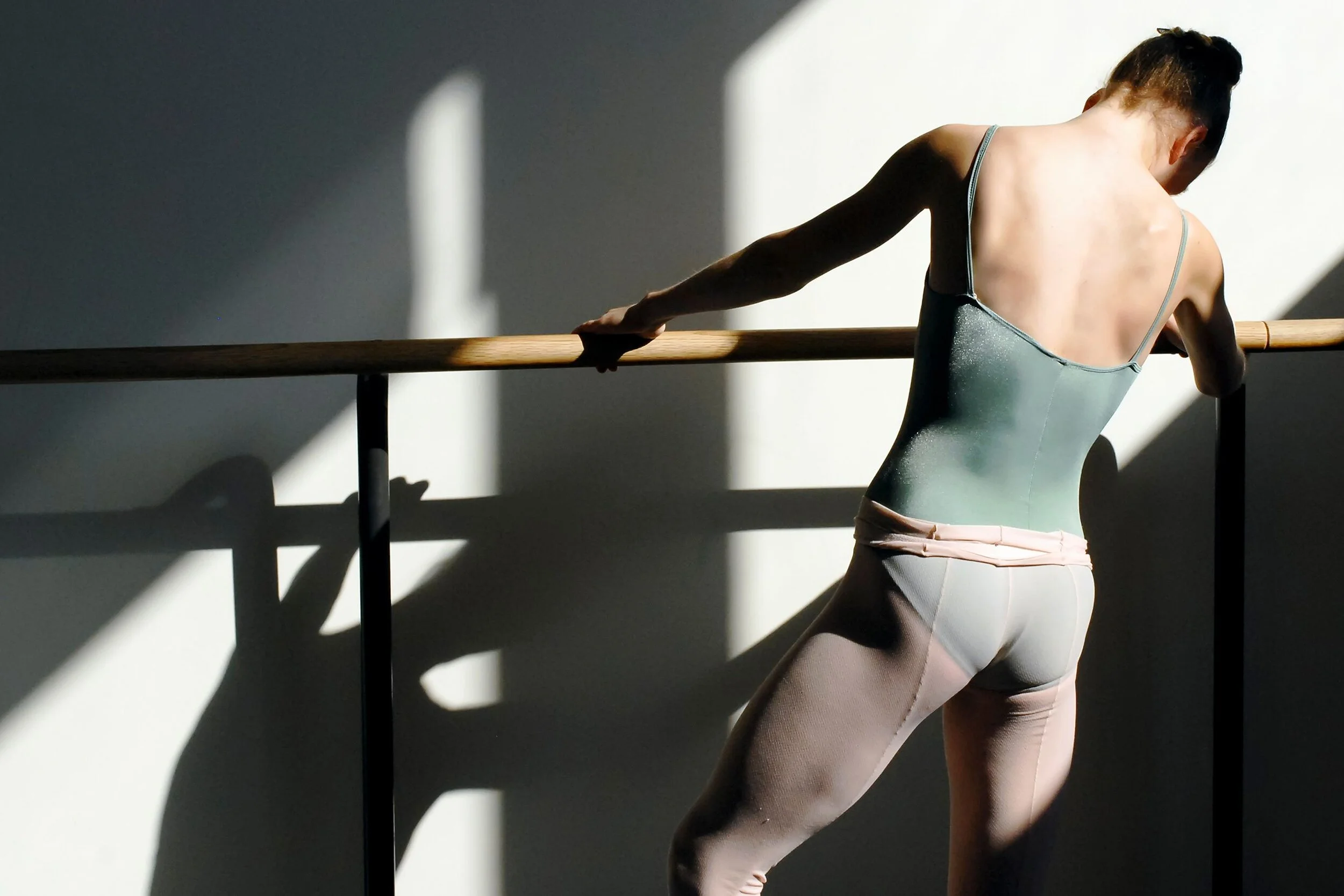
About
Dance Medicine Education Initiative (DMEI) offers continuing education courses that inform and empower its attendees with a focused understanding of the dancer's body and its treatment.
DMEI Courses are unique in their ability to offer valuable information to a variety of health care practitioners as well as teachers and educators.
DMEI is the culmination of Andrea Zujko's 18 years of experience in the field of Dance Medicine working as a Pilates Instructor, Physical Therapist and Educator. Curriculum for courses are grounded in the specialized experiences and insights learned by Ms. Zujko along with select guest speakers and collaborative partners from the Dance Medicine field.
Committed to broadening access to the coursework through expanded partnerships, digital offerings and professional collaborations, Andrea designed Dance Medicine Education Initiative with the goal of providing up to date, clinically applicable information that will offer a comprehensive framework of evaluation and treatment of the dancer. This structured approach will enhance the practitioners ability to more effectively diagnose and manage both the common complaint and the more unusual presentation.
Mission & Founding
Having successfully designed and led a dance medicine course for The Johns Hopkins Performing Arts Rehabilitation Program, Andrea Zujko founded the Dance Medicine Education Initiative in 2020 to expand the material and increase accessibility.
the mission of DMEI is to strengthen the bridge between the health care and the dance community by providing an in-depth education focused on:
• Mentorship to those who work with pre-professional, professional and recreational dancers of all disciplines.
• Communication and collaboration between practitioners with diverse career backgrounds and expertise in the field of Dance Medicine by providing a platform for guest lecturers and further course development.
• A learning environment devoted to more personal instruction via smaller class sizes. Once in-person instruction can be more safely offered, DMEI will feature ample lab time and the opportunity to practice and refine skills on dancers who are currently in training or have established professional careers.
• Thorough, individualized feedback to all participants during the course and after via virtual office hours.

Engage with DMEI
Participate in a unique and comprehensive course curriculum focused on a clear diagnostic framework, applicable manual therapy techniques and relevant neuromuscular re-education and conditioning approaches. Students will have access to live demonstrations, discussions with like-minded practitioners and the opportunity to establish connection with the DMEI community.
Subscribe, Follow & SHARE
Keep in touch with DMEI as new courses are launched.
Subscribe to DMEI News
DMEI & COVID-19
DMEI resumed in-person teaching in November of 2021. While the pandemic is not yet over, there are enough positive signs that give us the confidence to teach in-person in addition to offering virtual options for specific courses. When reviewing the course schedule, please carefully note the format each course is offered in, as it may be available in-person or online.
Your Safety is DMEI's Top Priority:
For all upcoming scheduled in-person courses, DMEI will be following the CDC, federal, state, and local COVID-19 guidelines regarding social distancing and hygiene. All instructors and participants are required to wear masks throughout the course weekend in consideration of the safety of all course participants. We will be providing gloves, hand sanitizer, and socially distanced refreshment breaks/eating locations to all participants. We realize that many, if not most, clinicians have been vaccinated and even boosted. However, until the CDC updates their guidance to allow for vaccinated participants to not wear masks within a healthcare setting, DMEI has decided to keep the mask mandate in place.
Looking forward to seeing you in person and online in 2022!
Source: https://dancemedei.com/
0 Response to "Dance Physical Therapy Continuing Education Online"
Post a Comment